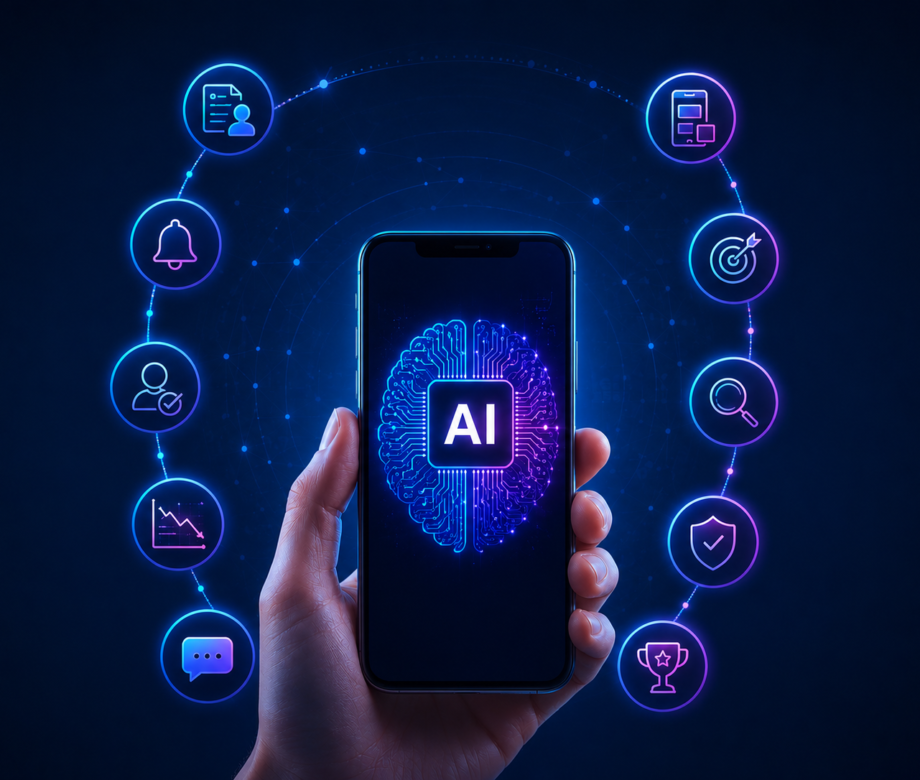


The healthcare landscape is undergoing an unprecedented digital shift. In 2026, Artificial Intelligence is no longer just an experimental tool confined to research laboratories; it is integrated directly into mobile applications to optimize clinician workflows, enable remote patient monitoring, and deliver immediate diagnostic insights.
For HealthTech startups and healthcare institutions, deploying an AI-powered software solution is no longer a matter of future-proofing—it is an immediate market demand. However, building an application in this domain involves unique responsibilities. Balancing highly complex algorithm models with strict healthcare compliance frameworks (like HIPAA, GDPR, or FDA regulations) requires an expert, strategic product path.
At Sieg Partners, we work closely with digital health innovators to construct high-performance, compliant medical software architectures. This complete guide outlines the essential pillars of modern AI healthcare app development, from key use cases to compliance blueprints and core engineering costs.
1. Dominant Use Cases of AI in Digital Health Apps
Integrating AI should always focus on practical problems—improving patient outcomes, reducing physician burnout, or saving operational hours.
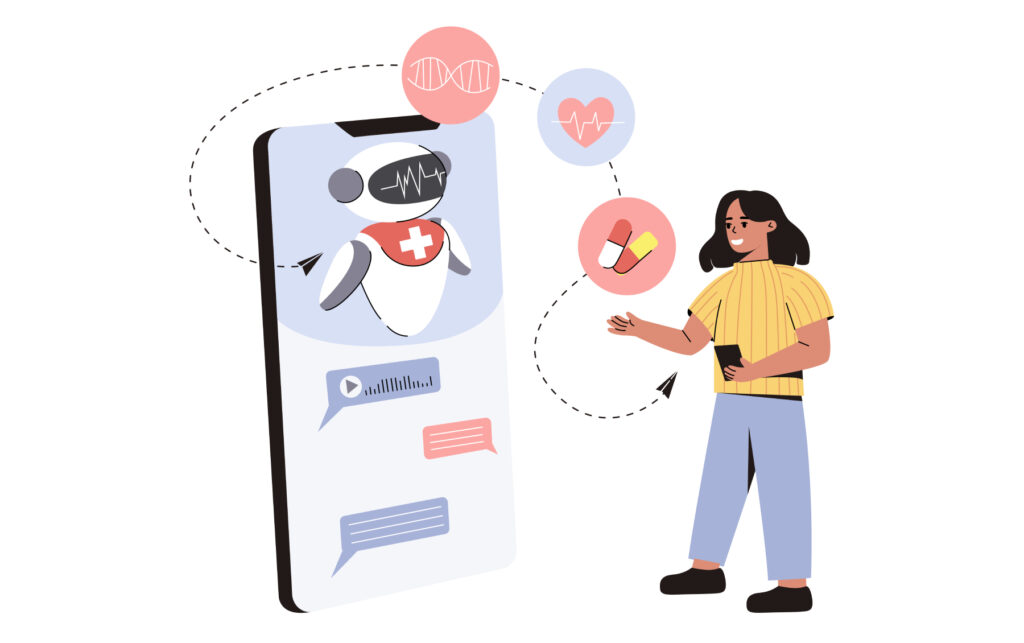
– AI-Powered Virtual Triage & Symptom Assessment: Advanced Conversational Language Models evaluate patient symptoms through simple chat interfaces. By parsing natural descriptive language and cross-referencing extensive medical databases, the app can recommend the correct level of clinical care without replacing a formal diagnostic visit.
– Computer Vision for Clinical Medical Imaging: Integrating highly responsive on-device or cloud-based computer vision models allows users to scan skin conditions, analyze chronic wound recovery progress, or review diagnostic images instantly, passing valuable pre-screened data straight to attending specialists.
– Predictive Chronic Disease Monitoring: By analyzing continuous data streams from connected medical wearables, AI algorithms can predict subtle vital trend changes. This enables early interventions for chronic conditions like hypertension, diabetes, or cardiac anomalies before they scale into clinical emergencies.
– Automated Medical Documentation & Voice-to-EHR: Natural Language Processing (NLP) solutions capture conversations between clinicians and patients, instantly generating structured, accurate clinical notes. This directly updates electronic health records (EHR) systems, wiping out hours of tedious administrative entry for doctors.
2. The Compliance and Security Architecture Blueprints
Unlike standard apps, a data leak in a healthcare product can result in severe financial penalties and legal liability. Security must be integrated directly into your foundational design
Mandatory Compliance Pillars:
– Data Encryption Standards: Implement strict AES-256 bit encryption for data at rest and utilize secure end-to-end TLS protocols for all data in transit.
– Anonymized Data Masking: Separate Protected Health Information (PHI) entirely from behavioral datasets used for training or running machine learning models.
– Role-Based Access Controls (RBAC): Use granular identity verification mechanisms to guarantee that only validated, authorized medical staff can access explicit patient records.
Ready to Build an AI-Powered App That Users Keep Coming Back To?
Contact Sieg Partners for a strategic consultation and turn your app into a long-term growth engine.
3. Choosing the Right Technical Stack
Building a successful healthcare platform requires an architecture that can process deep backend data streams while keeping front-end interaction flawlessly smooth.
To reduce cross-platform bugs and ensure consistent interface delivery across both Apple and Android medical tablets, collaborating with an expert Flutter development company or utilizing tailored React Native development services is highly effective. These frameworks allow your team to construct a single, highly secure mobile interface that hooks smoothly into enterprise hospital cloud infrastructures via secure microservice APIs.
Frequently Asked Questions (FAQs)
Modern health tech integration relies on standardized communication frameworks, specifically HL7 and FHIR (Fast Healthcare Interoperability Resources) APIs. By engineering secure middleware wrappers, your mobile app can safely query and update records within major institutional databases like Epic, Cerner, or Allscripts without changing their native infrastructure.
Yes. Frameworks like Flutter and React Native run native background Bluetooth and Wi-Fi data channels flawlessly. By managing heavy calculation pipelines on secure cloud servers or using native platform channels on-device, the front-end interface stays highly responsive during continuous monitoring.
If your application serves as Software as a Medical Device (SaMD)—meaning it actively diagnoses conditions or prescribes explicit drug dosages—it will require FDA clearance. If it simply provides general health advice, displays data from fitness devices, or automates clinic calendars, it falls under general wellness guidelines and bypasses intensive clearance loops.
We limit conversational models by using Retrieval-Augmented Generation (RAG). Instead of letting an AI generate advice freely from the open web, RAG forces the algorithm to pull facts exclusively from vetted peer reviewed medical text, clinical guidelines, and customized internal datasets, while including strict fallback warnings to consult a licensed human doctor.
Engineer Your Digital Health Solution with Sieg Partners
At Sieg Partners, we don’t just build software—we engineer highly reliable, secure, and compliant digital medical solutions. We combine advanced machine learning engineering with careful adherence to global health security regulations to ensure your platform is built for real-world impact.
Whether you are designing an AI-driven telehealth system, a wearable medical companion app, or an automated EHR workflow assistant, our seasoned cross-platform app development engineering teams are equipped to bring your vision to life.
Ready to find out what your app will actually cost? Reach us at biz@siegpartners.com or +91 83207 04030 — we’ll turn your idea into a detailed estimate within 24 hours
Boost Your App Engagement with AI-Powered Features
Connect with our product engineering experts today and discover how AI can transform your user engagement strategy.